

Loft Conversion Season: The Best Time of Year to Start Your Project
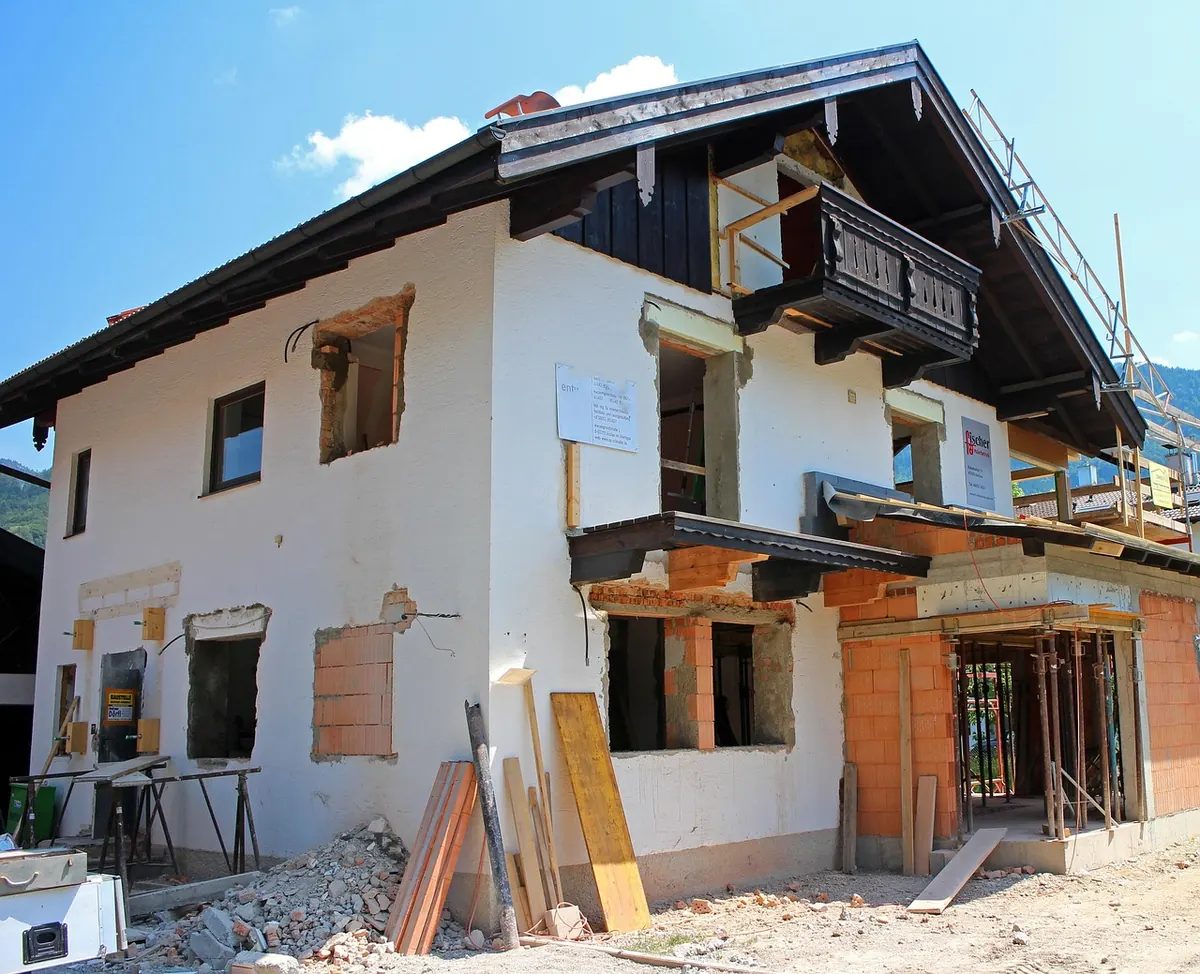
Most people fixate on the design, the staircase and whether the dormer will annoy the neighbours. Then they pick a start date almost at random. In the UK, though, when you begin can shape how smoothly the whole job runs, how long the scaffold sits outside your bedroom window, and whether your freshly skimmed walls dry in four days or three weeks.
The trick is not to look for one magic month. It is to match each phase of the build to the weather it can survive, and to understand that “starting” a loft conversion means different things at different stages.
Your start date is really several dates
A loft conversion is not one job but a sequence. There is design and Building Regulations approval, then scaffold up, then the messy structural work: cutting the roof, framing a dormer, opening the ceiling. The moment the roof is opened, the project becomes weather-dependent. After that comes first fix, insulation, plasterboard, plastering, second fix and decoration, most of which is perfectly happy in the cold.
So when someone asks, “When should I start?”, the useful answer is: decide which month you want the roof open, then work backwards. Everything before that is paperwork and ordering. Everything after is largely indoors.
Spring: the obvious choice, with a caveat
March to May is the traditional window. Days are getting longer, the worst of the wind and rain has passed, and plaster dries at a civilised pace. Roofers and scaffolders are back in full swing after a slow January, and you can usually get a couple of competitive quotes.
The caveat is that everyone else has had the same idea. Good loft conversion firms are often booked from January for a spring start, and scaffold companies are especially stretched in April and May. If spring is your target, the time to be ringing around is late autumn, not the first warm weekend of the year.
Summer: quick drying, crowded diaries
June to August gives you the best conditions for the weather-exposed work. Long days mean roofers can make up time, and there is far less risk of a half-finished dormer sitting under a tarpaulin for a fortnight.
Two things to watch. First, August holidays: your electrician may vanish for two weeks mid-project, and the gap can cost you more than it saves. Second, heat. Plaster that dries too fast can shrink and crack, and loft spaces in July can be brutal to work in, so crews often start at seven and finish early. Keep the new plaster out of direct sun and let it dry gradually rather than blasting it with a heater or a fan.
Autumn: the quiet sweet spot
September to early November is underrated. The weather is often settled, temperatures are mild, and the summer rush has eased. Trades who were impossible to pin down in June are suddenly available, and scaffolders are less likely to keep you waiting.
The deadline to respect is the return of proper rain, usually late November. Aim to have the roof watertight and the structure closed before then. If you are starting in autumn, get the shell done first and leave the internal work for the darker months, when it barely matters what the sky is doing.
Winter: better than it sounds, with limits
December to February gets a bad press, and for the structural phase it deserves some of it. Short daylight hours, frost and high winds can stop scaffold work entirely, since working at height in strong gusts is not something any sensible contractor will do. If the roof is going to be open, you need a genuinely dry forecast and a proper temporary covering on standby.
Interior work is a different story. First fix, insulation, plasterboard, second fix, tiling and decoration all proceed happily in a cold month, provided the space is heated enough for materials and the plaster has time and ventilation to dry. Many good conversions are finished in January and February, with the messy part done the previous autumn.
Scaffolding: the constraint people forget
Scaffold is not just a cost line. If it stands over a pavement or highway, you will usually need a licence from the local council, and neighbouring properties may need to be informed or accessed. Hire is charged weekly, so a scaffold that stays up for five months because the job stalled is an expensive mistake.
Before you commit to a date, ask your contractor two questions: when can the scaffold realistically go up, and how long will it need to stay? Build that answer into the programme rather than treating it as an afterthought.
Drying times through the year
Plaster is where the seasons really show. A thin skim over plasterboard in a warm, well-ventilated room may be ready for a mist coat within a few days. Thicker backing coats, or work done in a cold, humid spell, can take considerably longer. Painting too early traps moisture and gives you a patchy finish that no amount of expensive paint will hide.
A few practical habits help at any time of year:
- Keep a steady background temperature rather than short bursts of fierce heat.
- Ventilate daily, even in winter, to carry moisture out of the loft.
- Use a dehumidifier in cold or damp spells, and empty it regularly.
- Ask your plasterer when the surface is genuinely ready, not just dry to the touch.
- Allow extra drying time in November and December when you plan the decorating.
Timber, insulation and any floor screed also need to settle and dry, so leave slack in the schedule before fitted furniture or flooring goes down.
Choosing your window: a practical order of work
- Identify the weather-sensitive phase — usually the roof opening and dormer framing.
- Pick the month you want that phase to happen, favouring late spring, summer or early autumn.
- Work backwards for design, Building Regulations approval and any party wall matters, allowing several weeks.
- Book scaffold and roofers first, then the internal trades.
- Agree a wet-weather plan, including temporary covering and who makes the call to stop.
- Schedule plastering with drying time built in, and keep decorating flexible.
If your project touches a shared wall, a party wall agreement may be needed, and rules around planning permission and Building Regulations vary by property and area. Take proper professional advice on those points before you fix a date; it is far cheaper than discovering a problem once the scaffold is up.
Photo: Antranias / Pixabay